Agriculture, Dairy Sensitive Sectors Protected in India–US Trade Deal: Government
India’s agriculture and dairy sectors are more than just economic activities—they are the backbone of rural livelihoods, food security, and social stability. In the context of ongoing and evolving trade negotiations between India and the United States, the Government of India has clearly stated that these sensitive sectors will remain fully protected. This assurance has come as a significant relief to millions of farmers, dairy cooperatives, and rural households who depend on these sectors for their income and survival. Agriculture
The government’s position reflects a balanced approach to global trade: engaging with major economies to boost exports and investment, while safeguarding domestic interests that are socially and economically critical. This article explores why agriculture and dairy are considered sensitive sectors, what protection means in a trade deal context, and how India plans to balance growth with farmer welfare.
India has firmly protected its agriculture and dairy sectors in ongoing India–US trade discussions. The government has clarified that no trade agreement will compromise farmers’ livelihoods, food security, or the country’s sensitive rural economy. Economy
Government Assures Farmers: No Compromise on Agriculture and Dairy in India–US Trade Talks
Importance of Agriculture and Dairy in India

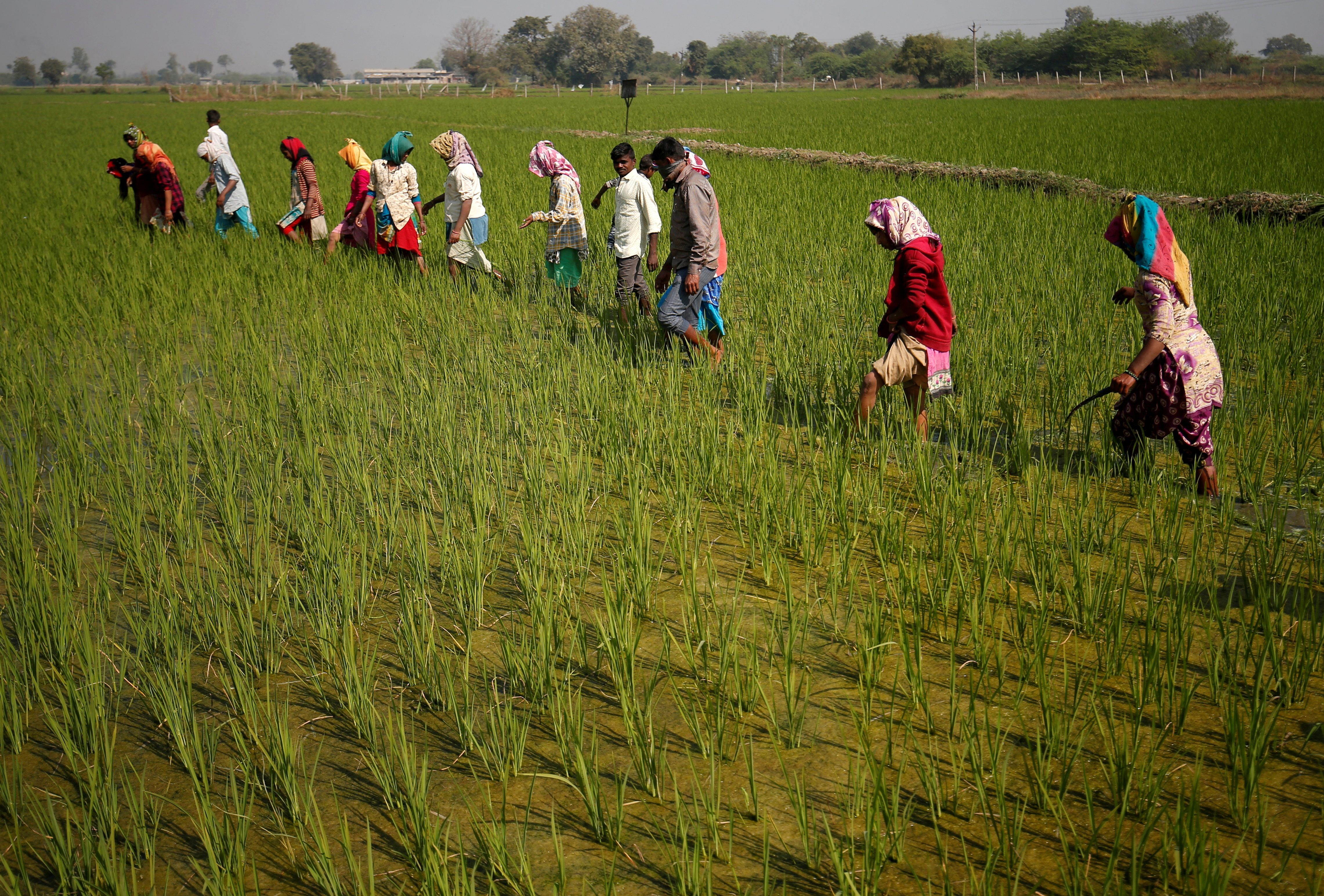
Agriculture employs nearly half of India’s workforce and supports a vast rural population. Beyond employment, it ensures national food security and price stability. The dairy sector, in particular, plays a unique role. India is the world’s largest producer of milk, and dairy farming provides a steady source of daily income to small and marginal farmers, many of whom own just two or three cattle. International Trade
Unlike large-scale industrial farming seen in some developed nations, Indian agriculture and dairy are dominated by smallholders. These farmers are highly vulnerable to price fluctuations, import surges, and unfair competition from heavily subsidized foreign products. This structural reality is why the government has consistently categorized agriculture and dairy as “sensitive sectors” in all major trade negotiations. Government Policies
India–US Trade Engagement: The Bigger Picture
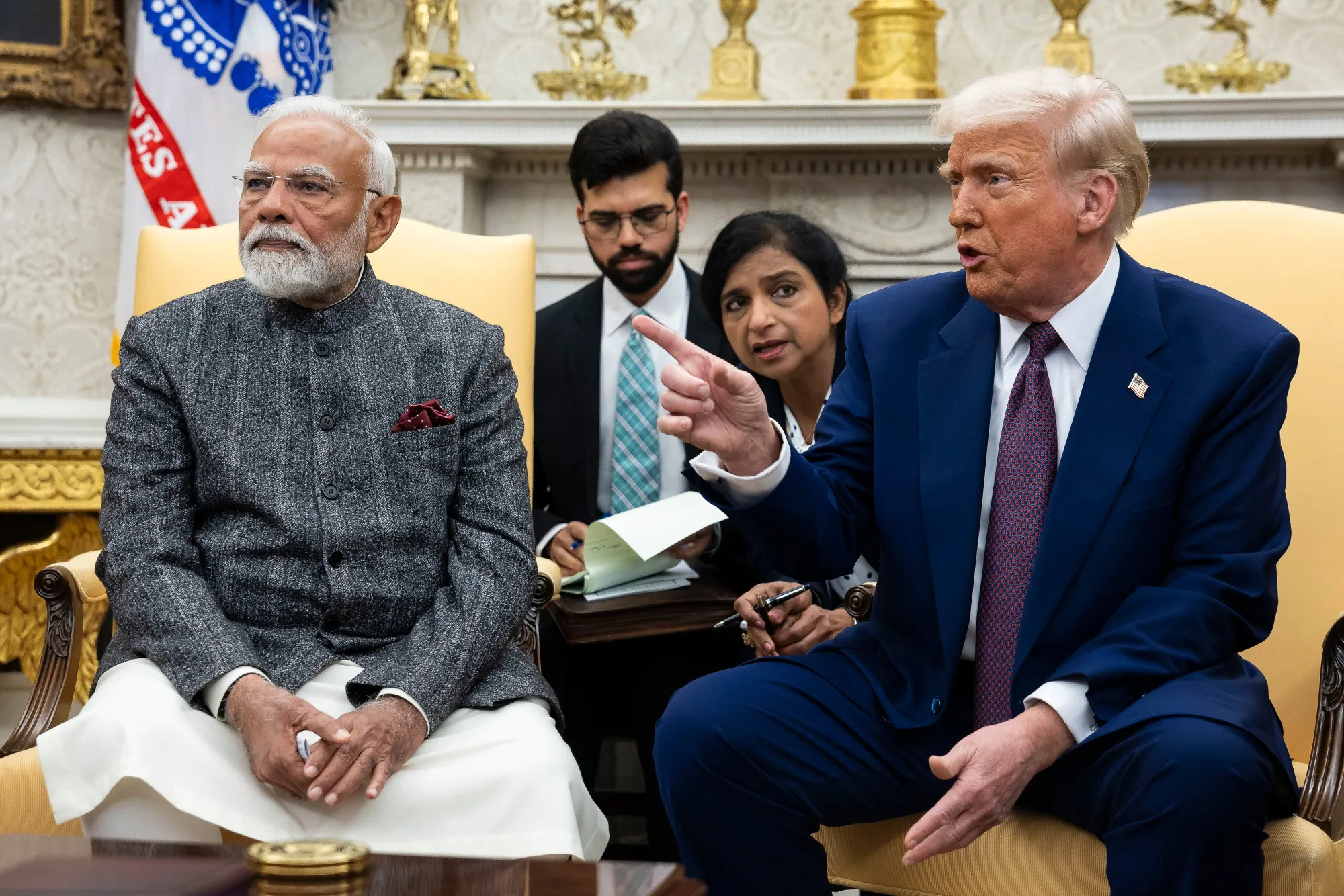
India and the United States share a growing strategic and economic partnership. Bilateral trade between the two countries has expanded significantly over the years, covering goods, services, technology, defense, and energy. Both sides have been exploring ways to further liberalize trade, reduce barriers, and create new opportunities for businesses. India–US Relations
However, trade negotiations are rarely uniform across all sectors. While areas like pharmaceuticals, information technology, engineering goods, and services offer scope for mutual gains, agriculture and dairy present complex challenges. The U.S. is a major exporter of agricultural and dairy products, backed by advanced technology, large-scale operations, and government subsidies. Opening Indian markets indiscriminately to such imports could severely impact local farmers. India US trade deal agriculture sector protection
Recognizing this risk, the Government of India has drawn a clear red line: any trade deal with the U.S. will not compromise the interests of Indian farmers or weaken domestic agriculture and dairy ecosystems. dairy sector India
What “Protection” Means in a Trade Deal

Protecting sensitive sectors does not necessarily mean shutting the door on trade altogether. Instead, it involves a calibrated set of policy tools designed to prevent harm to domestic producers. In the context of the India–US trade discussions, protection may include: Indian farmers news
- No reduction in import duties on key agricultural and dairy products that could otherwise flood the Indian market. trade policy India
- Exclusion of certain products from tariff concessions or market access commitments.
- Strict quality and safety standards, ensuring that imports meet Indian regulations and consumer expectations.
- Safeguards and quotas that limit the volume of imports in sensitive categories.
- Respect for cultural and ethical concerns, particularly in the dairy sector, where Indian practices differ significantly from Western industrial models.
By using these measures, India aims to engage in trade without exposing its farmers to unfair competition.
Dairy Sector: A Special Case
The dairy sector deserves special mention in India–US trade talks. Indian dairy farming is deeply intertwined with rural culture, cooperative movements, and small-scale livelihoods. Cooperatives like those that emerged during the White Revolution transformed India from a milk-deficient nation into a global leader in milk production. government agriculture policy
In contrast, dairy production in the United States is largely industrial, with large farms producing milk at lower per-unit costs. Additionally, issues such as animal feed practices and the use of certain technologies raise concerns among Indian policymakers and consumers. sensitive sectors trade
The government has repeatedly clarified that there will be no compromise on these issues. Dairy imports that could disrupt domestic prices or conflict with Indian standards will not be allowed under any trade agreement. India US relations
Farmers’ Concerns and Government Assurance
Farmer organizations and unions have historically expressed apprehension about free trade agreements. Their concerns are rooted in past experiences where cheap imports depressed prices of domestic produce, leading to income losses.
Acknowledging these concerns, the Government of India has emphasized that farmers’ interests are central to its trade policy. Official statements underline that agriculture and dairy are not being offered as bargaining chips in negotiations with the United States or any other country.
This assurance is also politically and socially significant. With a large rural electorate and agriculture being a state subject with wide regional variations, any policy that harms farmers could have far-reaching consequences.
Balancing Trade Growth and Rural Welfare
India’s approach to the India–US trade deal highlights a broader policy philosophy: globalization with safeguards. While the country seeks greater access for its goods and services in global markets, it is equally committed to protecting vulnerable sectors. food security India
The government is focusing on enhancing agricultural exports where India has a competitive advantage—such as rice, spices, fruits, vegetables, and processed foods—while keeping sensitive areas shielded. Investments in infrastructure, cold storage, food processing, and value addition are being encouraged to make Indian agriculture more resilient and competitive without relying on excessive import liberalization.
Strategic Implications
Protecting agriculture and dairy in trade negotiations also has strategic implications. Food security is increasingly seen as a component of national security. Dependence on imports for essential food items can expose a country to global supply shocks and geopolitical pressures.
By maintaining policy space in agriculture and dairy, India ensures that it retains control over its food systems. This approach aligns with the broader goal of self-reliance while remaining an active participant in global trade.
Conclusion
The government’s stance on protecting agriculture and dairy in the India–US trade deal sends a clear and reassuring message: economic growth will not come at the cost of farmer welfare or food security. By recognizing these sectors as sensitive and non-negotiable, India is asserting its right to pursue a development path that is inclusive, sustainable, and rooted in domestic realities.
As trade discussions with the United States continue, this balanced approach—openness combined with protection—will likely define India’s trade policy. For millions of farmers and dairy producers across the country, the assurance that their livelihoods are safeguarded provides much-needed confidence in an increasingly interconnected global economy.